
English| EUR
Suggested for you
More currencies
Choose a language
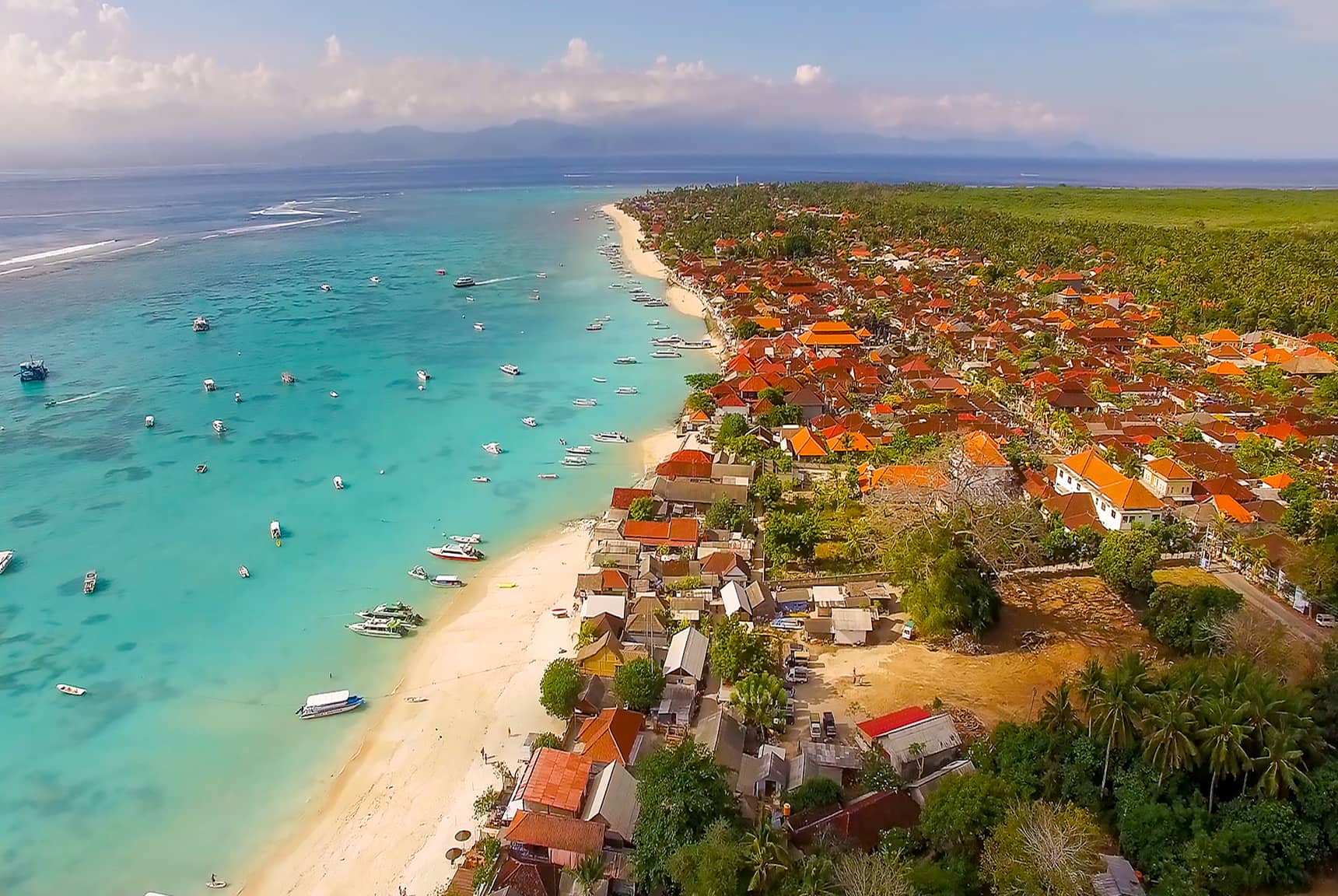
Both islands sit off Bali's southeast coast, separated by a narrow channel but offering different visitor experiences. Nusa Penida sprawls across 200 square kilometers with dramatic cliffs and world-class manta ray dive sites, while Nusa Lembongan covers just 8 square kilometers with sheltered bays and established dive infrastructure. The choice depends on whether you prioritize remote exploration or convenient access to multiple dive sites.
Quick answer
Nusa Lembongan suits divers seeking established infrastructure, calm conditions, and easy access to multiple sites including Manta Point and Crystal Bay. The island's compact size means shorter boat transfers and overnight stays near dive operators. Nusa Penida offers more dramatic underwater topography and consistent manta encounters but requires longer boat crossings, rougher surface conditions, and fewer accommodation options near dive sites. Advanced divers favor Penida for pelagic encounters; intermediate divers choose Lembongan for reliability and convenience.
The channel between these two islands measures less than two kilometers, yet the diving conditions and visitor infrastructure differ significantly. Nusa Lembongan developed its tourism economy earlier, establishing a concentration of dive centers, guesthouses, and restaurants along its northern and western coasts. The island's sheltered position creates calmer surface conditions during the April-to-October southeast monsoon season, when Penida's exposed southern coast faces powerful swells. Underwater geography explains much of the decision between Nusa Penida and Nusa Lembongan. Penida's southern coast drops into deep channels where manta rays gather year-round at cleaning stations, drawing pelagic species including mola mola during the July-to-October season. The island's dive sites demand strong current management and advanced buoyancy control. Lembongan's sites concentrate around its northern reefs and the strait between the two islands, offering drift dives through channels rich with reef fish, turtles, and seasonal mantas without Penida's surface chop. Accessibility shapes the practical comparison. Lembongan sits 30 minutes by fast boat from Sanur, with multiple daily departures and developed pier facilities. Accommodation clusters near Jungut Batu and Mushroom Bay place visitors within walking distance of dive operators. Penida requires 45-minute crossings to less-developed landing points, with most dive operations running day trips from Lembongan or Sanur rather than basing on Penida itself. The 25,000 IDR regional tourism fee applies to both islands. Current strength determines site selection across both destinations. Lembongan's Blue Corner and Mangrove Point offer moderate drift dives suitable for intermediate certifications, while the channel between the islands produces ripping currents that experienced divers use to cover distance efficiently. Penida's Manta Point and Crystal Bay sit in current-swept positions that concentrate nutrients and attract megafauna, making them productive but physically demanding sites that close during rough weather.
“The channel between these two islands measures less than two kilometers, yet the diving conditions and visitor infrastructure differ significantly.”
Choosing between these islands depends on whether you prioritize a relaxed, established base or a rugged, adventurous landscape for your diving experience. Both islands grant access to the same regional marine life, but offer distinct terrestrial environments.
| Nusa Lembongan Nusa Penida Recommended | Nusa Lembongan Nusa Penida | |
|---|---|---|
| Atmosphere | Resort-style village setting | Rural and expansive terrain |
| Infrastructure | Established dive centers and paved roads | Developing infrastructure with rugged terrain |
| Diving focus | Convenient access to local drift sites | Proximity to southern pelagic hotspots |
| Accessibility | High connectivity to tourism amenities | Requires motorbike or private transport for exploration |
| Travel time from Bali | 30–45 minutes | 30–45 minutes |
Verdict: Select Nusa Lembongan for a base with comprehensive amenities and integrated diving services, or choose Nusa Penida for raw exploration and proximity to remote coastal points.
Nusa Lembongan and Nusa Penida are located southeast of Bali, separated by the Badung Strait. The primary method of transit for both islands is by fast boat from Sanur Beach Harbor.
Fast boat from Sanur Beach Harbor to Nusa Lembongan
Fast boat from Sanur Beach Harbor to Nusa Penida (Toyapakeh/Buyuk)
Taxi or private transfer to Sanur Beach Harbor
Plan your transit within the 08:00–16:00 window to ensure smoother sea conditions. Upon arrival at the docks, local transport is readily available to reach your final accommodation.
The optimal time to visit Nusa Lembongan is during the dry season, specifically from April to October, to ensure calm sea conditions and clear visibility. Planning your daily activities within the recommended arrival window helps mitigate transit difficulties caused by tidal swells.
Dry, 26°C–30°C. Best conditions for water-based activities and boat transit.
Peak season offers the most reliable weather for island exploration and scuba diving.
Humid, 27°C–32°C. Higher chance of afternoon rain.
Rainfall is frequent but typically short-lived, though sea conditions can become unpredictable.
—
Visiting during weekday mornings avoids the peak weekend influx of day-trippers from Bali.
Verdict: For the most consistent experience, plan your trip between April and October, arriving within the 08:00–16:00 window on a weekday.
Nusa Lembongan operates on a consistent schedule, welcoming visitors throughout the week. The island remains accessible daily to accommodate travelers planning their visit.
Everything you need to know about which is better nusa penida or nusa lembongan
Choosing between these islands depends on your travel style, as Nusa Lembongan offers a more relaxed village atmosphere while Nusa Penida features dramatic cliffs and rugged landscapes. Many travelers find that Nusa Lembongan provides a better base for infrastructure and amenities.
The entrance fee is 25,000 IDR per person for the Nusa Penida region, which applies to visitors exploring the area. This cost is consistent regardless of which island you choose as your primary destination.
Nusa Lembongan is generally easier to navigate with its smaller size and accessible scooter paths. In contrast, Nusa Penida has more challenging roads that may require experienced driving skills.
The best arrival window is 08:00–16:00, which helps avoid mid-afternoon swells for boat crossings and ensures you have sufficient daylight for island exploration. Planning your ferry arrival within this time frame makes the logistics of your visit much smoother.
Nusa Lembongan is often preferred by those seeking cozy cafes and a laid-back island lifestyle. Nusa Penida attracts those looking for expansive vistas and remote coastal landmarks.
Nusa Lembongan is a prime hub for coral reefs and tranquil bay dives, whereas Nusa Penida is famous for challenging currents and sightings of manta rays and mola-mola. Both islands offer unique underwater topography for scuba enthusiasts.