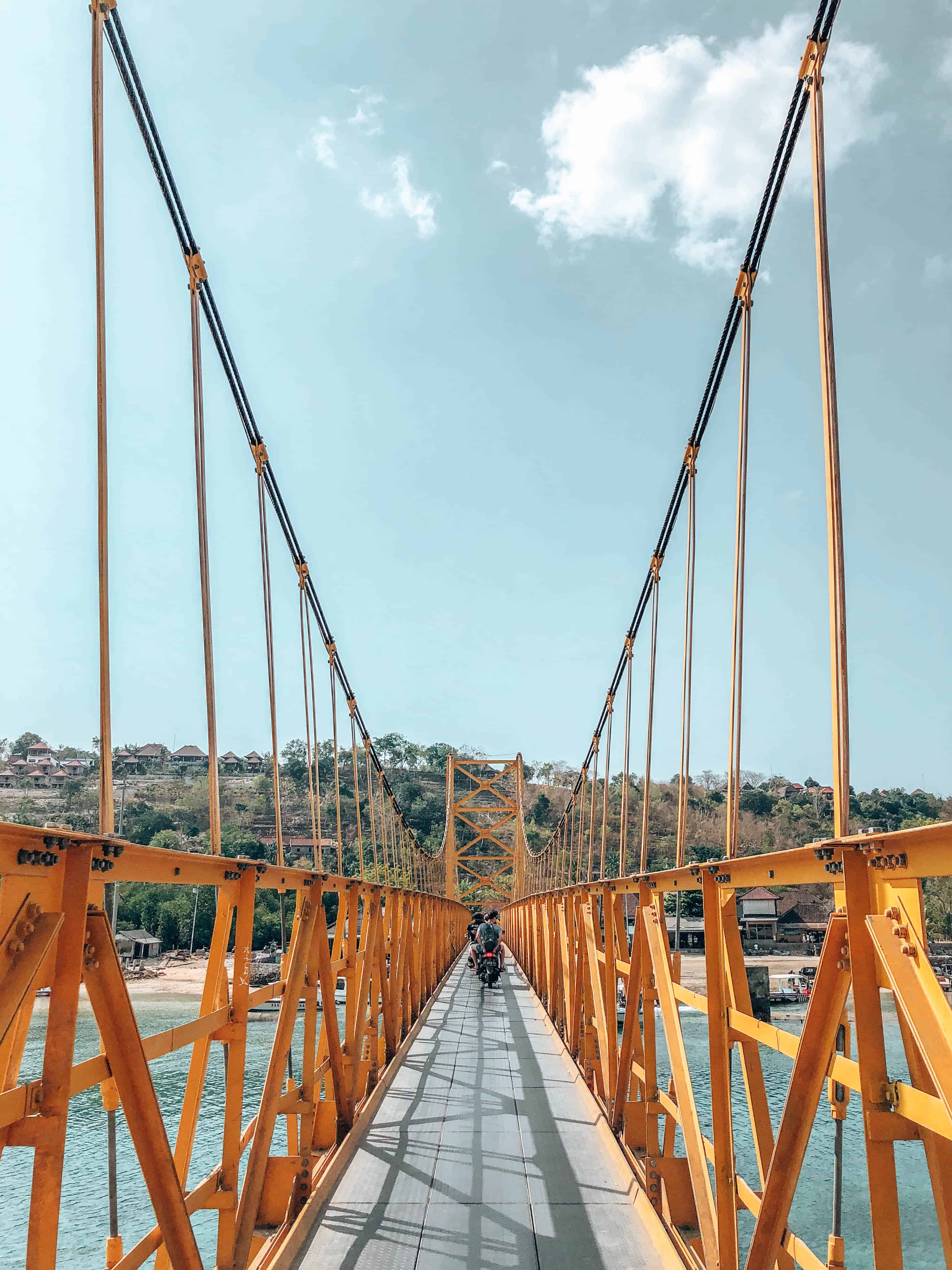
Nusa Ceningan
5 min drive
Connected by the Yellow Bridge, this smaller island is accessible by scooter and offers cliffside views that complement a short stay.

Nusa Lembongan spans just eight square kilometers, small enough to circle by scooter in under an hour. Yet the island rewards longer stays: the dive sites alone justify three days, and adding neighboring Nusa Ceningan and Nusa Penida pushes most visitors toward four or five nights.
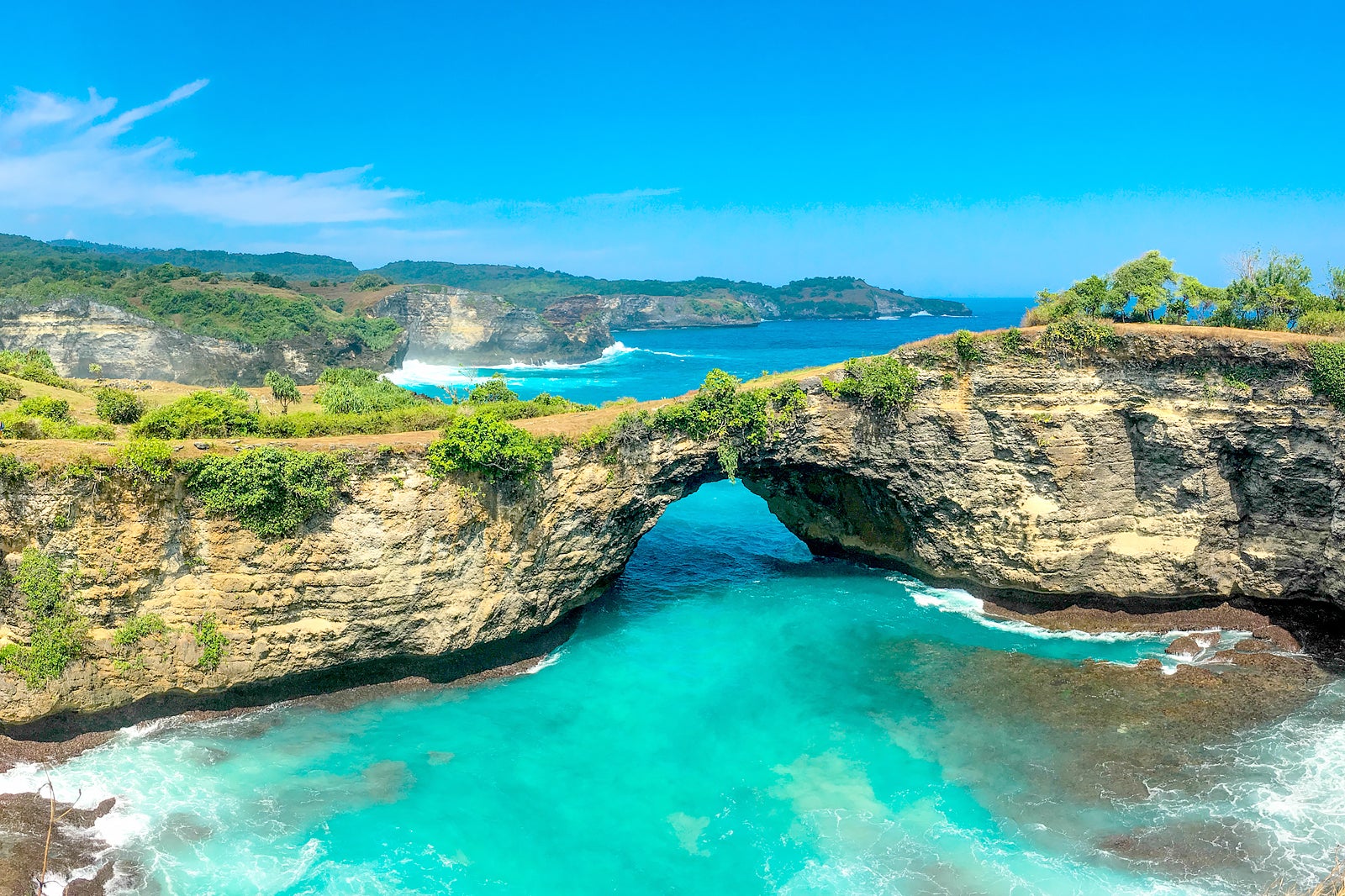
Quick answer
Most visitors stay 3-4 nights in Nusa Lembongan. Two full days cover the core dive sites, beaches, and the mangrove forest. Three to four days allow multi-site diving, a day trip to Nusa Penida, and time to explore Nusa Ceningan. Five nights suit travelers who dive daily or prefer a slower pace without mainland Bali's crowds.
Nusa Lembongan sits thirty minutes by fast boat from Sanur, close enough for a day trip yet distinct enough that most visitors treat it as a base rather than an excursion. The island's small size is deceptive: underwater topography matters more here than land area, and the sites ringing the coast range from drift channels to manta cleaning stations, each best dived at specific tidal windows. A two-day visit covers the essentials. Divers typically book morning and afternoon dives on the first day, targeting sites like Crystal Bay or Manta Point depending on current and season. The second day splits between a final dive, a loop past Dream Beach and Devil's Tear, and an hour paddling through the mangrove channel that separates Lembongan from Ceningan. This pace works for travelers threading the island into a broader Bali circuit, though it leaves little slack for weather delays or a second attempt at a missed manta encounter. Three to four nights shift the rhythm. Divers can spread their certification or advanced dives across multiple days without the fatigue of back-to-back depth. Non-divers gain time for a full-day boat charter to Nusa Penida, where the cliffs at Kelingking and the snorkeling at Gamat Bay justify the crossing. Ceningan's Blue Lagoon and cliff jumps sit a ten-minute walk across the yellow bridge, easy to fold into an afternoon without the pressure of a same-day departure. Five nights suit visitors treating how long to stay in Nusa Lembongan as a question of immersion rather than checklist completion. The island operates on a different cadence: cafes open late, boats leave when full rather than on schedule, and the reef conditions that define each day are not knowable until morning. An extra day absorbs a cancelled dive, a spontaneous snorkel trip, or simply the recognition that small islands reward repetition. The same beach visited twice reveals different light, different tide, and often different company. Duration also reflects appetite for neighboring islands. Nusa Penida lies close but demands a full day: the roads are rough, the distances deceptive, and returning to Lembongan by mid-afternoon cuts the visit short. Travelers who allocate a night on Penida extend their total island time but reduce the nights spent on Lembongan itself. Conversely, those who skip Penida entirely often find three nights sufficient unless diving or kitesurfing fills the calendar.
“The island operates on a different cadence: boats leave when full rather than on schedule, and the reef conditions that define each day are not knowable until morning.”
Most visitors find 3–4 days ideal for experiencing both Nusa Lembongan's dive sites and its coastal attractions without feeling rushed. Shorter stays work for divers on a focused itinerary, while a week suits those combining multiple dive courses with land exploration.
Fast boat from Sanur takes 30 minutes; check into your accommodation and explore Jungut Batu village on foot. Evening walk along the seaweed farms at low tide.
Morning boat trip to Manta Point or Crystal Bay for two dives. Afternoon rest, then visit Dream Beach and Devil's Tear for sunset.
Cross the Yellow Bridge on foot or scooter to neighbouring Ceningan. Blue Lagoon cliff jump and Secret Beach require 2–3 hours; return for a second dive session if conditions allow.
Experienced divers book a drift dive at Ceningan Wall or Toyapakeh; beginners can take a mangrove kayak tour or snorkel at Mushroom Bay. Depart late afternoon or extend your stay.
Use extra days for PADI certifications, a day trip to Nusa Penida's west coast, or repeat favourite dive sites. One rest day between dive days is standard for multi-day schedules.
The dry season between April and October provides the most reliable conditions for island activities and diving. Visiting during these months minimizes weather-related disruptions to your itinerary.
Dry, 27°C to 30°C
Ideal conditions for water activities and clear visibility for diving. Expect peak visitor numbers in July and August.
Humid, 28°C to 32°C
Higher chance of rain and rougher seas. Diving conditions can be variable due to currents and rainfall.
—
Arriving between 08:00–10:00 avoids the surge of day-trippers from Bali. This window allows for quieter access to popular sites before mid-day heat.
Verdict: The optimal period is the dry season from April to October, specifically visiting mid-week and adhering to the 08:00–10:00 arrival window.
Nusa Lembongan is situated off the southeast coast of Bali, accessible primarily via high-speed boat transfers from Sanur Harbor. Planning your stay duration requires accounting for these maritime transit schedules, which typically dictate arrival and departure windows.
Fast Boat from Sanur Harbor to Jungutbatu Beach
Fast Boat from Sanur Harbor to Mushroom Bay
Prioritize the best arrival window of 08:00–10:00 to avoid mid-day heat and large groups arriving from the Bali mainland. Booking your transit in advance allows for smoother coordination with your accommodation on Nusa Lembongan, Nusa Penida, Klungkung Regency, Bali, Indonesia.
Nusa Lembongan serves as an ideal base for exploring the adjacent islands of Nusa Ceningan and Nusa Penida. Integrating these islands into your schedule allows for a broader experience of the archipelago's diverse geography and marine environments.
5 min drive
Connected by the Yellow Bridge, this smaller island is accessible by scooter and offers cliffside views that complement a short stay.
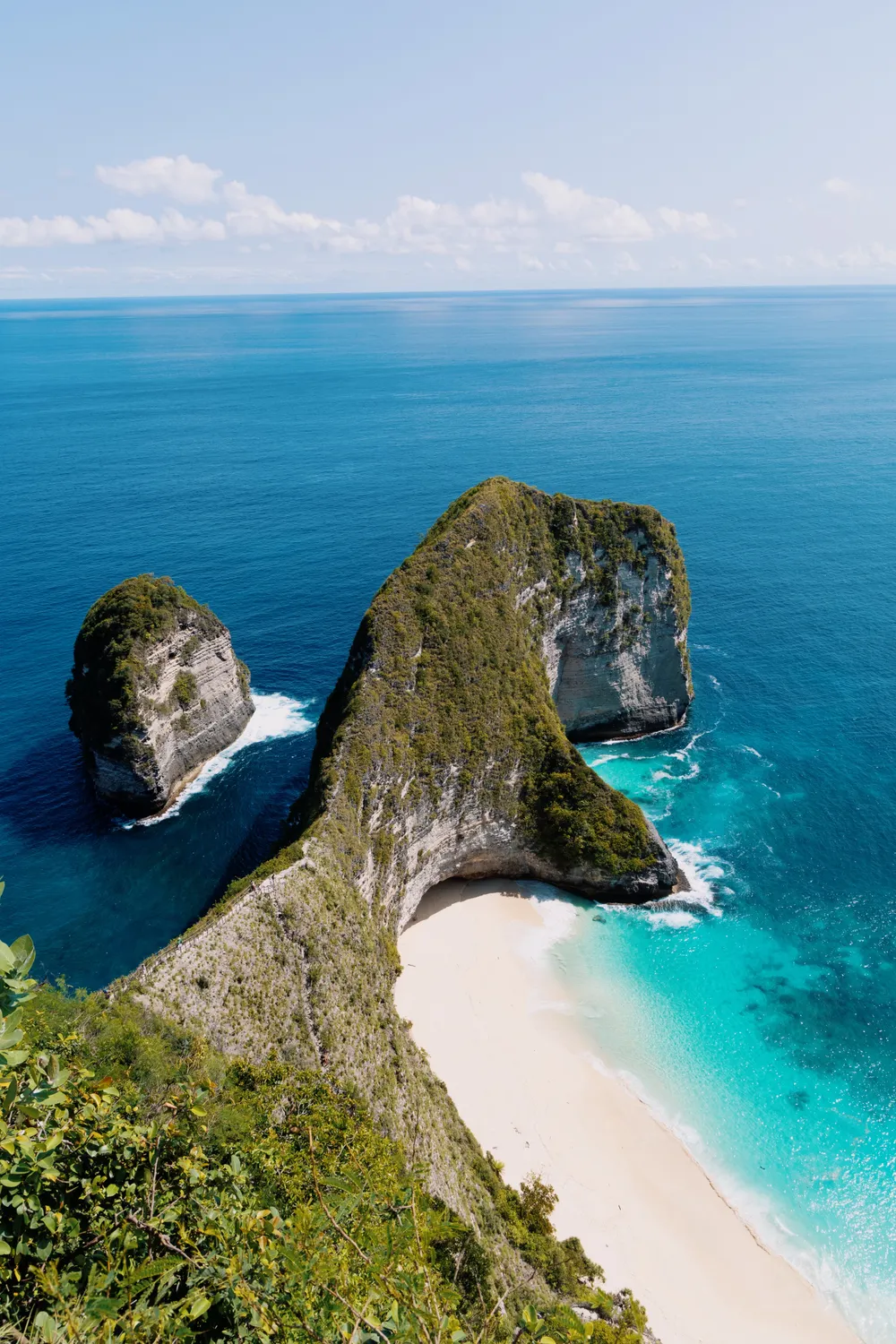
20 min boat ride
Larger and more rugged, Nusa Penida is commonly visited via day boat trips to access remote dive sites and coastal viewpoints.
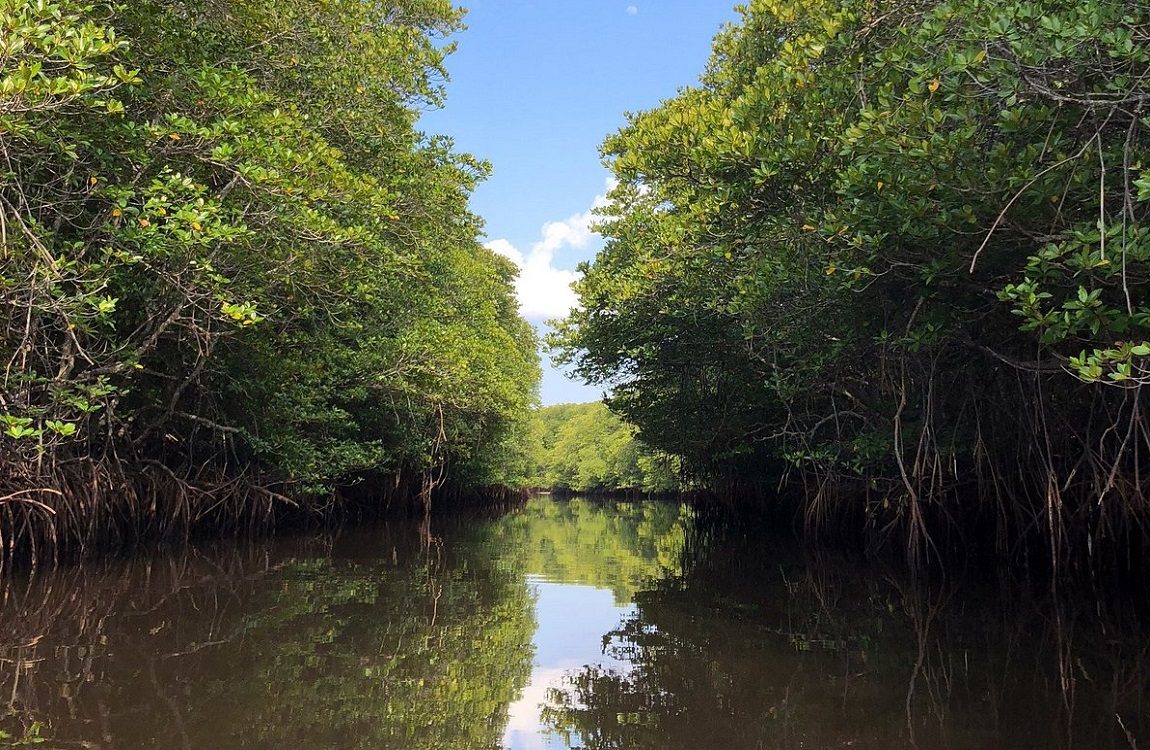
10 min drive
Located on the north end of Nusa Lembongan, this area provides a calm contrast to the open-water activities found on neighboring islands.
Everything you need to know about how long to stay in nusa lembongan
For most visitors, spending 3 to 4 days provides a balanced pace to enjoy the island's coastal charm and marine life. This duration allows enough time to transition from the mainland and settle into the island rhythm.
A day trip often feels rushed, limiting your ability to explore hidden coves or fully appreciate the island's laid-back atmosphere. Staying longer enables you to venture beyond the main ports and experience the quieter side of the island.
If you plan to scuba dive, aim for at least 4 to 5 days to account for multiple boat trips to sites like Manta Point or Crystal Bay. Dedicated divers benefit from this extended timeframe to ensure optimal recovery periods between dives.
The regional entrance fee of 25,000 IDR remains the same regardless of your length of stay. This fee is a standard per-person contribution for the maintenance of the Klungkung Regency island area.
To avoid the heat and the arrival of large groups from the Bali mainland, aim for an arrival window between 08:00 and 10:00. Arriving early maximizes your first day and helps you bypass the busiest ferry transfer times.
With a well-planned itinerary, you can cover key landmarks like the Yellow Bridge and Dream Beach in a shorter visit. However, an extended stay offers deeper opportunities to engage with local diving culture and reef conservation efforts.
Many travelers underestimate the time needed for logistics and travel fatigue, often departing just as they begin to relax. Planning for a slightly longer stay prevents a hurried experience and provides a buffer for unpredictable sea conditions.